
Watch Back: Are We Equal Now? Online Panel
April 7, 2026
Signs of the Times Summer 2026
June 5, 2026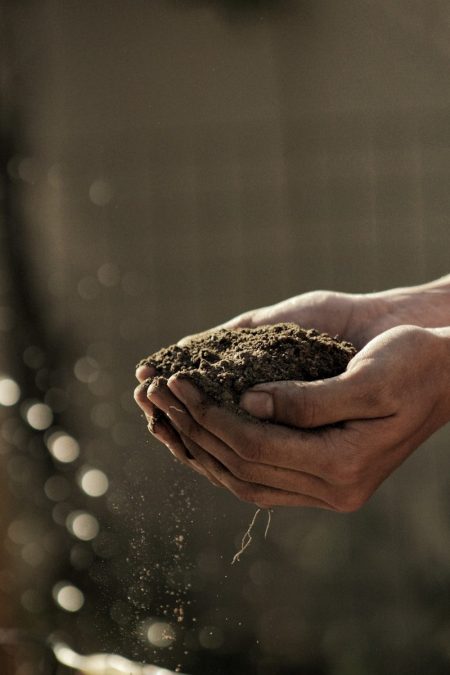
By Ruth Harvey
At SCM, we care deeply about making theology accessible. One of our aims is to form radical theologians, not just among those who study theology formally, but among all who want to explore faith more deeply. So when I attended the recent Modern Church retreat, “I’m not a theologian, but…”, I was hopeful that it would be a fruitful resource-gathering mission; I expected to collect some insights into my basket and take them back to the movement to share the bounty. What I didn’t expect, however, was to end the weekend being so excited about the idea of composting.
Who Gets to do Theology?
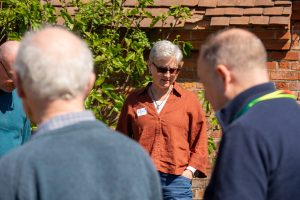
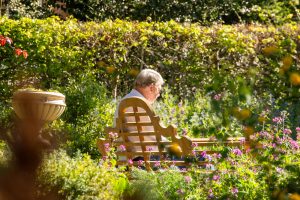
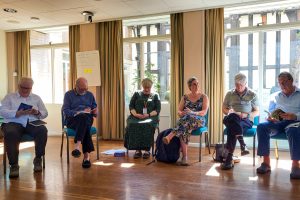
I arrived at Holland House in the early afternoon on Thursday, and from the moment I stepped onto the grounds I was transported. It’s hard to describe the beautifully tended gardens in which a group of around 15 of us gathered to talk, dream, laugh, and bask in the glorious April sun, but it was the perfect backdrop for our conversations on what theology means and who gets to do it. Across the sessions and conversations of the retreat, two threads kept returning for me: theology isn’t just for the “experts”, and in our theological practice, nothing is wasted.
Wrestling with Tradition
Carlton Turner ran a session looking at seeing Paul more clearly, and this was where the idea that “nothing is wasted” took root. Among other things, Carlton touched on the idea of us wrestling with the tradition of Paul, while Paul himself is wrestling with the traditions he is entrenched in. Carlton encouraged us to look at the many different Pauls we encounter through his life – the tentmaker, the persecutor of Christians, the missionary – and to also look at the different versions of ourselves throughout our own lives. Out of this, for me, came the idea that our own faith journeys and traditions shift over time. There is room for growth and new insights, but none of what has come before is necessarily wasted or wrong – it is simply built upon and perhaps reinterpreted in light of our experiences. It also showed me the value in the traditions of the Church, even as we wrestle with them and what they mean for us today. It reminded me to continue to ask questions of the Bible, of my own tradition, and of what I was taught growing up, and in that way reignited my desire to engage. Could this be a way in for those who find the idea of theology daunting? Start with yourself, and the traditions you know. Where have you been on your faith journey so far, and where has God been in that journey?
Composting Theology
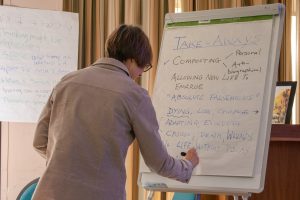
Introducing his own work around ‘composting’ masculinity, Simon Sutcliffe in his session explained the idea of composting in terms of breaking down ideas and traditions; not to throw away any parts, but rather to throw them into the mix and see how they reform and regenerate. After a quick trip to the composting heaps on site, we formed our own compost heap of ideas on, among other things, who the person of Jesus is to us, what his character is like, and what he has to offer the world. I think this idea of ‘composting theology’ struck a chord with many of us, and while I’m still mulling on its outworking, I’m really excited by the thought that old ideas, inherited beliefs, doubts, questions, and experience all go into the heap and something new can grow out of them.
For many people, theology is inaccessible because they feel it has to be a finished product that never changes – polished and authoritative, even passed down from scholars to the ‘ordinary folk’. They might be scared of trying an idea out and getting it ‘wrong’, or feel they need the right language or the right answers in order to engage. The idea of composting theologies is a brilliant way in for people who feel uncertain or tentative in this way, because rather than seeing theology as a finished product that is untouchable and ‘correct’, it is seen as an ongoing, participatory, active process. It’s messy, and experimental, and open to change. It’s not just handed down finished, but rather worked on, and re-worked, in community. What new ideas could emerge if we all approached theology in this way?
Theology is for everyone
What I’m taking away from this retreat is not just a new metaphor (and a love of composting), but a renewed passion to make theology more accessible for those who have written it off as “not for them”. Through starting with our own experiences, wrestling with tradition, and ‘composting’ our ideas, I hope SCM members can recognise theology not as something reserved for the experts, but as something that emerges in community, conversation, questioning, and shared experience. Perhaps then theology becomes less about having the right answers and more about making space for experimentation, transformation, and growth. And that, to me, feels like a hopeful vision of theology for both SCM and the Church as a whole.
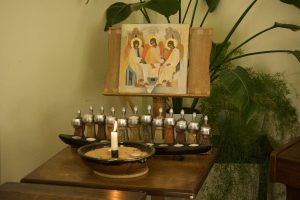
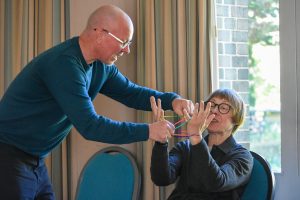
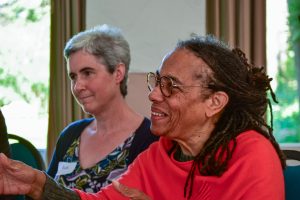
Some photos from the ‘I’m not a Theologian, But…’ retreat:
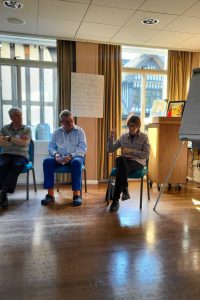
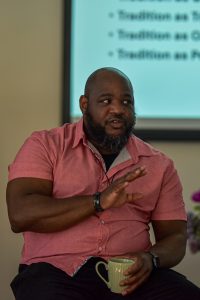

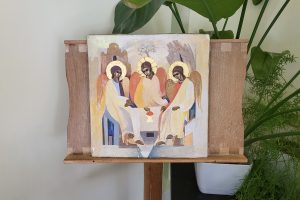
Ruth Harvey is the Communications and Marketing Officer for SCM. As an ex-vangelical she’s passionate about creating spaces where students are able to explore an open faith that isn’t afraid of questions and doubts. As well as working for SCM, Ruth is an artist, and you can catch her in the studio on her non-SCM days.



2 Comments
This is a helpful summary of your recent retreat which sadly I was unable to attend for health and travel reasons. My own experience resonates somewhat with yours.
Is there a way in which such discussions might continue on Zoom or a WhatsApp texting group?
I am on an excellent “Bishop’s Certificate” (aka “Following Jesus”) Course run by Chichester Diocese Lay Ministry Department which in many ways does what you suggest – enabling non-theologians to “think and do” Theology.
If you have time, I would be happy to discuss my experiences further with you if you think that might be useful.
By the way, I dislike the word “Retreat”. I would rather call it a “Meditation” or “Exploration”; far from “retreat” we are actually facing up to the realities of faith and work and “Going forward in Christ” or “Recognising where God may be leading us”.
Best Wishes
Timothy Jackson
timothy_jackson@hotmail.co.uk
Hi Timothy,
I can’t speak for Ruth, but Forum on this coming Monday night ( https://modernchurch.org.uk/events/modern-church-forum-may26 ) is on this topic if you want to discuss with others there. The link was in the May e-newsletter you’ll have already received, and a reminder link will go out to members Monday daytime.
Castor (Comms)